



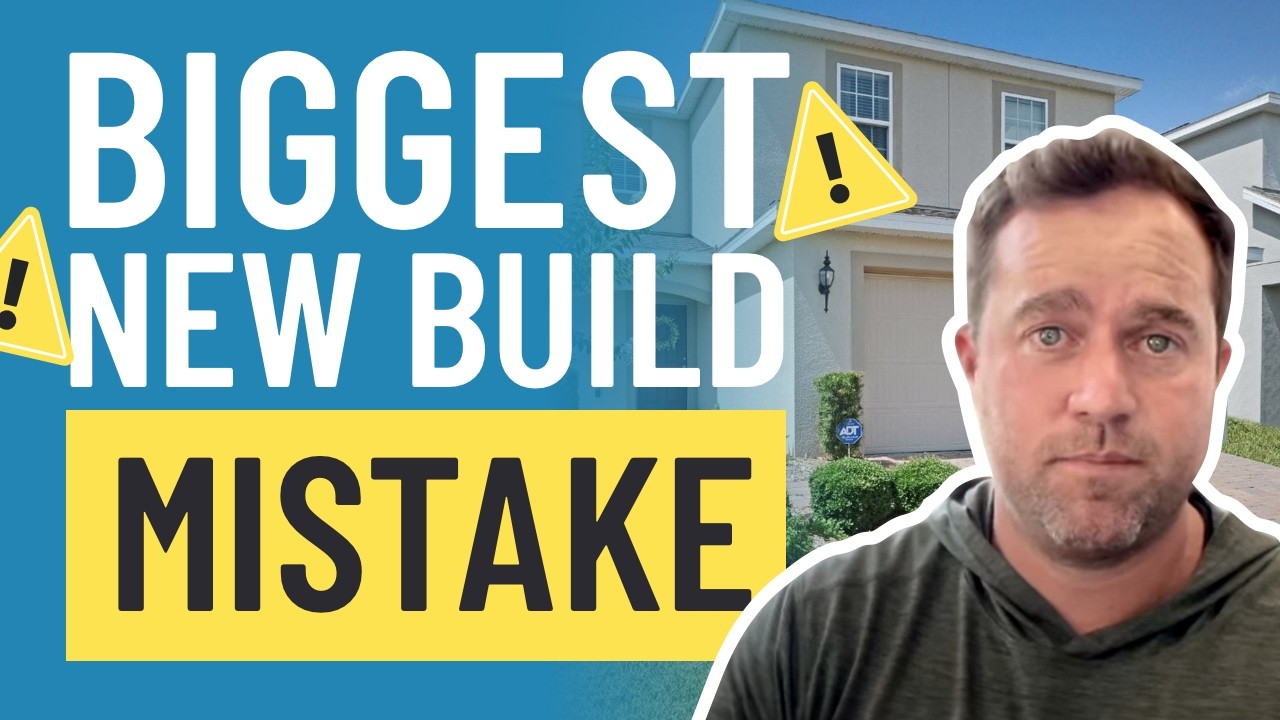
Buying new construction in Florida isn't just about choosing the right finishes — the decisions that truly protect your investment come down to the lot, the floor plan, the community phase, and working with the right representation. This guide breaks down the most important factors for buyers considering new construction communities along Florida's Gulf Coast, including Lakewood Ranch, Venice, Nokomis, Wellen Park, and Parish.
In this guide, you'll discover the key mistakes most new construction buyers make, what actually drives resale value, how to use floor plan strategy to stand out in a crowded community, and why working with a knowledgeable local realtor is one of the best decisions you can make when building in Florida.
Frequently Asked Questions About Buying New Construction in Florida
What is the most important factor when buying new construction in Florida?
The lot is the single most important factor when buying new construction in Florida. Unlike countertops, flooring, and lighting — which can all be updated later — the lot's location, views, privacy, and surroundings are permanent. Buyers who focus on lot quality tend to see stronger appreciation and resale value over time.
Does working with a realtor cost more when buying new construction?
No. Builders have already built agent commissions into their pricing structure. Whether you bring a realtor or not, the price of the home typically does not change. Without a realtor, buyers often give up negotiating leverage and expert guidance without saving any money.
When is the best time to buy in a new construction community — early or mid-phase?
Both phases offer advantages depending on your priorities. Early-phase buyers typically access the best lot selection and the lowest base prices, but they may experience construction activity around them and incomplete amenities. Mid-phase buyers enjoy a more finished community but may face higher prices and fewer lot options.
How do I choose the right floor plan for resale value?
Choose a floor plan that offers differentiation within the community. If most homes in a neighborhood are built on the same two or three models, selecting a different floor plan — ideally one that isn't displayed in the model center but is available from the builder — creates a distinct advantage. Features like split bedrooms, flexible office space, open living areas, and strong indoor-outdoor flow tend to appeal broadly to future buyers.
What upgrades at the builder's design center are worth it?
Structural and lot-based upgrades — such as an extended lanai, a three-car garage, additional square footage, tray ceilings, or a deeper lot — are generally worth prioritizing. Cosmetic upgrades like countertops, backsplash tile, and flooring can be updated later at a lower cost. Overspending in the design center on finishes that don't add structural value is one of the most common and expensive mistakes new construction buyers make.
Why does community size matter for resale value?
In larger communities where builders are still actively selling new inventory, resale homes compete directly with brand-new construction. Buyers often prefer new over used when the price difference is minimal. As a community nears completion, resale homes gain a competitive advantage because new inventory is no longer available.
Does the builder's reputation affect home value?
Yes. Certain builder names carry recognized associations with quality, architecture, and design. That perception influences buyer demand in the resale market years down the road. Understanding the builder's reputation within the local Gulf Coast market helps buyers anticipate how their home may be received by future buyers.
The Biggest Mistake New Construction Buyers Make in Florida
Most people buying new construction spend hours agonizing over cabinet colors, countertop materials, and backsplash tile. These decisions are fun, and they feel important in the moment. But here's the reality: those interior finishes are rarely what determine whether a home appreciates in value.
Two homes in the same community — with nearly identical square footage, the same layout, even similar finishes — can have dramatically different resale values years later. The difference almost always comes down to factors buyers overlooked when they were standing in the model center: the lot, the floor plan, the community phase, and the builder's pricing structure.
On Florida's Gulf Coast, new construction is one of the most popular options for relocation buyers, particularly in communities like Lakewood Ranch, Wellen Park, Nokomis, Venice, and Parish. These communities are well-designed, amenity-rich, and actively marketed to buyers from across the country. But that popularity also means there's plenty of opportunity to make expensive mistakes if you don't have a clear strategy going in.
Why the Lot Is the First Decision You Should Make
The lot is the most important thing you're buying. This is a foundational principle for anyone purchasing new construction in Florida, and it's one that deserves to be said clearly and early.
Here's why: you can renovate a kitchen. You can update flooring, change out lighting fixtures, and swap out countertops. But you cannot move your house to a different lot. Once you close on a home, the lot it sits on is permanent.
Most people move to Florida to be outside more. The outdoor lifestyle — mornings on the lanai, afternoons by the pool, evening walks in the warm air — is central to why so many buyers choose the Gulf Coast. That means the outdoor space and surroundings of your lot matter enormously, both for daily enjoyment and for future resale appeal.
Lots That Tend to Hold and Build Value
- Homes backing up to water (lakes, ponds, or preserves)
- Homes adjacent to natural preserve areas, offering privacy without neighbors behind you
- Corner lots with additional yard space
- Lots with deeper backyards, especially in communities where pool installation is popular
- Lots that offer a natural buffer from traffic or commercial activity
Lots That Can Hurt Resale Value
- Homes on busy entrance roads with heavy traffic
- Homes backing to commercial property or large parking facilities
- Homes next to amenity center parking lots or pickleball courts (noise is a concern for some buyers)
- Homes adjacent to future construction areas (this can be a surprise for buyers who don't research future phases)
- Homes with drainage easements cutting through the backyard or side yard
It's worth noting that drainage easements aren't always a dealbreaker — in some cases, they create additional open space that actually makes a yard feel larger and more private. The key is understanding what you're looking at before you sign, not after.
Key takeaway: When you walk into a new construction community, start your evaluation with the lot map — not the model home. Identify which lots offer water views, preserve backing, or premium depth. Then make that your first decision.
Floor Plan Strategy: How to Stand Out in a Crowded Community
The floor plan determines how a home actually lives — day in, day out. Features like split bedroom layouts for privacy, open living areas that feel expansive, dedicated office or flex space, indoor-outdoor flow, and ceiling height all contribute to how comfortable and functional a home feels over years of use.
But there's a strategic dimension to floor plan selection that most buyers never consider, and it can create a genuine competitive advantage when it comes time to sell.
The Model Home Reality
Most builders in a given community only showcase a handful of floor plans in the model center. Buyers walk in, see three or four options, and naturally tend to choose from what they can physically walk through. The result? The majority of homes in many communities end up being built on those same few models, simply because people buy what they can see.
But here's what many buyers don't realize: most builders have an entire series of floor plans that can be built within a community — far beyond what's displayed in the model center. Just because a community shows three models doesn't mean those are the only homes that can be built there.
The Differentiation Advantage
One of the smartest moves a buyer can make is to visit other communities where the same builder is active, walk those additional model homes, and identify floor plans that aren't widely represented in the neighborhood they're buying into.
When future resale buyers are touring a community and seeing the same floor plan for the fourth or fifth time, the home that feels a little different — a better layout, a distinct elevation, a different architectural style — tends to be the one they remember. It stands out. It generates more interest. And more interest generally translates to stronger offers.
Sometimes the smartest decision isn't choosing the most popular floor plan. It's choosing the most compelling one that other people in the neighborhood don't have.
Community Phase Timing: Why It Matters for Appreciation
Most master-planned communities on Florida's Gulf Coast open with early phases, where prices are typically at their lowest and lot selection is at its broadest. Builders in these early phases are focused on building momentum and establishing the community's presence.
The tradeoff is real: early-phase buyers often deal with active construction happening nearby, amenity centers that aren't finished yet, and landscaping and infrastructure that's still taking shape. It's not the most comfortable environment to move into.
But historically, as communities grow and demand increases, builders raise prices. Base prices go up, lot premiums increase, and the incentives and concessions that were common in early phases tend to diminish. Buyers who enter earlier in a community's lifecycle often benefit from that price appreciation as the neighborhood develops around them.
Early Phase vs. Mid-Phase: What's Right for You?
Early phase advantages:
- Best lot selection, including premium water and preserve lots
- Lower base prices
- Greater potential for price appreciation as the community develops
Mid-phase advantages:
- Most construction already complete
- Amenities open and operational
- Established community character and social fabric
Neither phase is universally better — it depends on your lifestyle, your timeline, and your long-term goals. Understanding where a community is in its lifecycle, and how much future development is still planned, helps buyers make decisions that align with both their comfort and their investment objectives.
Working With a Realtor for New Construction: What Most Buyers Get Wrong
There's a persistent and costly myth that buyers can get a better deal on new construction by going directly to the builder without a realtor. The idea is that cutting out the agent saves money. In reality, this almost never happens, and going without representation often costs buyers more than they realize.
Here's the mechanics of why: builders build the cost of agent commissions into their pricing structure. That cost is already factored in whether you bring a realtor or not. If you walk into a sales center without representation, the price of the home doesn't go down. What changes is that you simply don't have someone in your corner advocating for you — and the builder's sales representative is always working on behalf of the builder, not the buyer.
What an Experienced Realtor Actually Brings to New Construction
Every builder operates differently. Every community has a different incentive structure, different sales representatives with different personalities and negotiating styles, and different levels of flexibility on pricing, upgrades, and closing costs. Experienced realtors who regularly work with new construction builders know which builders are flexible, which aren't, and where there's room to push. That knowledge is genuinely valuable and hard to acquire without years of working in these specific communities.
There's also the dynamic that a realtor who sends repeat business to a builder occupies a different position at the negotiating table than a one-time buyer the sales rep will never see again. Builders want to maintain good relationships with active agents. That relationship creates leverage in ways that a solo buyer walking in off the street simply doesn't have access to.
The Build Process: When Representation Matters Most
Beyond negotiation, one of the most valuable things an experienced realtor provides is guidance throughout the build process itself. Building a new home involves several critical milestones where inspections happen and problems can be caught early:
- The slab stage: Foundation issues are much easier and less expensive to address here than after construction is complete
- The pre-drywall stage: This is when electrical, plumbing, and framing can be inspected before walls close everything in
- The final walkthrough: The last opportunity before closing to document and address outstanding items
For buyers relocating from out of state — which describes a significant portion of Gulf Coast new construction buyers — having a trusted professional who can attend these walkthroughs, coordinate third-party inspections, and communicate directly with the builder is invaluable. You simply can't be everywhere when you're still living in Ohio or New York or Michigan.
Community Size and Future Phases: A Factor That Affects Your Long-Term Resale
The total size of a community — and how much of it is still yet to be built — has real implications for resale value down the road.
In larger communities where builders are actively selling new construction, resale homes are competing directly with the builder. For many buyers, given a choice between a slightly used resale home and a brand-new home at a comparable price point, new wins. That dynamic can suppress resale values in communities with substantial ongoing new inventory.
As a community nears completion and the builder sells out, that dynamic shifts. Resale homes in a completed community become more valuable precisely because buyers can no longer build new. The community's character is established, the amenities are mature, and the only way in is through the resale market.
Understanding how many phases remain in a community — and roughly how long it will take for the builder to sell through them — is an important input for anyone thinking carefully about their long-term investment horizon.
Builder Reputation: Why It Matters in the Resale Market
Not all builders carry the same weight in the marketplace, and their reputation affects how their homes are perceived by future buyers.
Some builders are known for quality design, architectural distinctiveness, and superior craftsmanship. Others compete primarily on affordability and volume. Both can produce excellent homes and serve the right buyers well — but builder perception genuinely influences resale demand.
When buyers are comparing homes in the Gulf Coast market years from now, they'll often recognize certain builder names and associate them with specific levels of quality or design appeal. That perception translates into buyer interest, and buyer interest drives resale performance.
Understanding where a builder sits in the local market's perception — and how their homes have historically performed at resale — is another dimension where working with a knowledgeable local agent pays dividends.
Design Center Upgrades: What's Worth It and What Isn't
The builder's design center can be genuinely fun. Choosing finishes, materials, and features for a brand-new home is exciting. It's also one of the builder's most significant profit centers, and it's very easy to spend far more than you intended.
The important distinction is between structural upgrades and cosmetic upgrades.
Structural Upgrades Worth Prioritizing
- Extended lanais and outdoor living areas (hard to add later, high value in Florida's outdoor lifestyle)
- Three-car garages (strong resale appeal, cannot be easily added post-construction)
- Tray ceilings and elevated ceiling heights (structural, permanent)
- Bonus rooms or flex spaces
- Deeper lots or premium lot locations (these are often available as structural upgrades at the time of purchase)
Cosmetic Upgrades to Approach Carefully
- Premium countertops and backsplash tile
- Upgraded flooring
- Cabinet hardware and fixtures
- Decorative light packages
Here's the practical reality: granite countertops and tile backsplashes can be updated five years from now for a reasonable cost. A third garage bay cannot be added to a finished home without significant structural work and expense. Prioritize what's permanent and hard to change. Let the cosmetics come later if the budget requires trade-offs.
Importantly, keeping interior finishes relatively simple and neutral during the initial build actually serves buyers well at resale, too. Neutral finishes appeal to a broader range of buyers than highly personalized selections that not everyone will share.
Thinking Like a Future Buyer: Features That Drive Resale Demand
One of the most useful mental frameworks for making new construction decisions is to think about the future buyer — the person who may purchase your home five, ten, or fifteen years from now.
Features that consistently appeal to a wide range of buyers in Florida's Gulf Coast market include:
- Flexible office or den space: Remote work has permanently changed buyer expectations, and dedicated home office space is now a standard expectation for many buyers
- Three-car garages: Storage, hobby space, and the ability to protect vehicles are consistently valued
- Outdoor living infrastructure: Covered lanais, pool-ready lots, summer kitchen rough-ins, and privacy in the backyard
- Privacy from neighbors and street noise: Lot placement and orientation matter here
- Broad architectural appeal: Homes that look distinctive but not polarizing tend to attract more buyers
Even if you plan to live in a new construction home for many years, thinking through the resale lens from the beginning can protect your investment and help ensure that the equity you build is genuine and durable.
In Summary: The New Construction Strategy That Protects Your Investment
New construction along Florida's Gulf Coast — in places like Lakewood Ranch, Wellen Park, Venice, Nokomis, and Parish — offers a genuinely compelling path to homeownership. Modern layouts, new materials, builder warranties, and communities built around lifestyle and social connection are real advantages.
But the strategy behind how you buy matters as much as what you buy. The key decisions that drive long-term value are:
- Prioritize the lot above everything else — it's the one thing you cannot change
- Think beyond the model center — ask about all available floor plans, not just what's displayed
- Understand community phase timing — know where the community is in its lifecycle and what that means for your investment
- Work with experienced local representation — a knowledgeable realtor costs you nothing extra and provides significant value
- Focus design center spending on structural upgrades — leave cosmetic flexibility for the future
- Choose with the future buyer in mind — features that appeal broadly protect your equity over time
The Gulf Coast of Florida continues to attract buyers from across the country, and the new construction market here reflects that demand. Buying thoughtfully — with a clear strategy and the right local guidance — is how you turn a new home purchase into a lasting investment.
Ready to Explore New Construction on Florida's Gulf Coast?
If you're considering relocating to Florida's Gulf Coast and want expert guidance navigating communities like Lakewood Ranch, Wellen Park, Venice, Nokomis, or Sarasota, the Zachos Realty & Design Group is here to help. With over 40 years of combined local expertise and a unique combination of real estate knowledge and award-winning design vision, the team helps relocation buyers make smart, informed decisions every day.
Contact us today:
- Phone: 941-500-5457
- Email: [email protected]
- Sarasota Office: 205 N Orange Ave Suite 202, Sarasota, Florida 34236
- Venice Office: 217 Nassau St S, Venice, FL 34285
Visit our YouTube channel "Relocation Experts | Florida's Gulf Coast" for more insider guides to Florida's Gulf Coast communities.
Check out this article next