



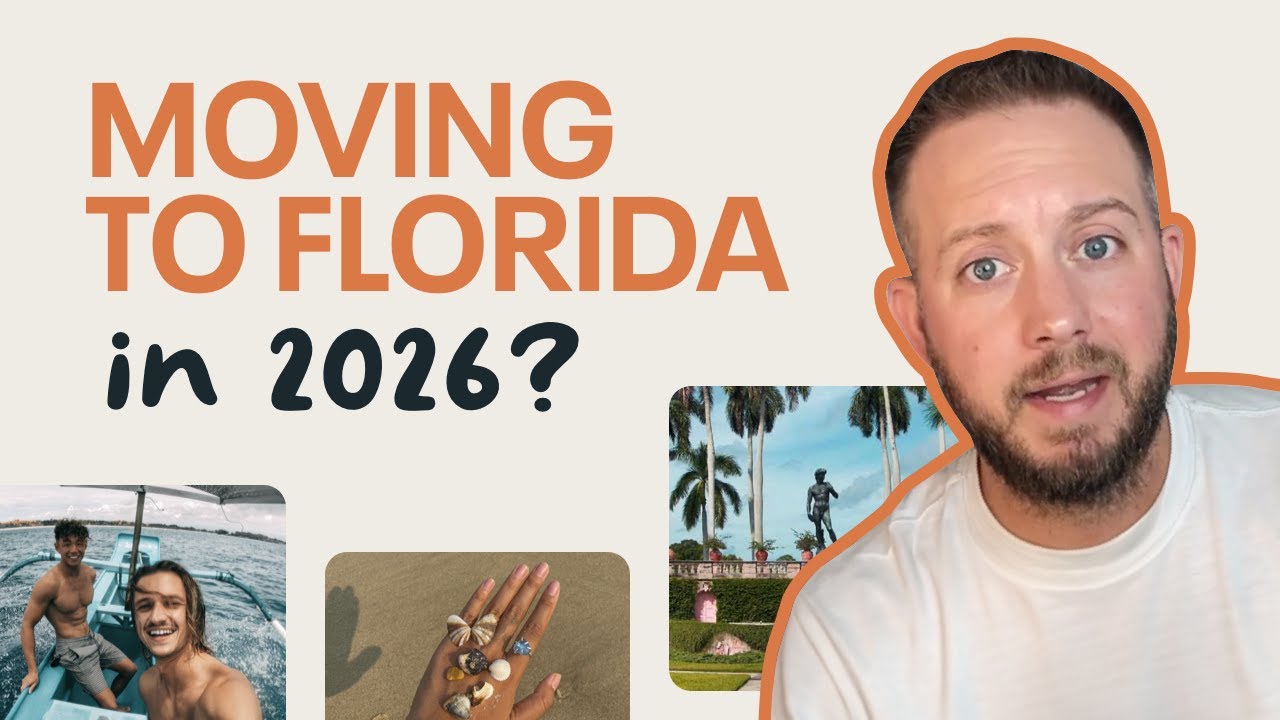
When people think about moving to Florida's Gulf Coast, they focus on the beaches, the weather, and the lifestyle. Those are the right reasons to move here. But most relocations don't go sideways because someone picked the wrong house — they go sideways because the person didn't understand the process, the timing, the costs, and the lifestyle realities that come with this specific move.
There are things you don't find out until after you arrive. And that's where the expensive mistakes happen.
This guide covers 10 practical tips for relocating to Florida's Gulf Coast — from buying a home and navigating insurance to choosing the right area, planning your logistics, and adjusting to a lifestyle that genuinely is different from most of the country. Whether your move is happening this year or you're still in the planning stage, these are the things worth knowing upfront.
Frequently Asked Questions: Moving to Florida's Gulf Coast
What should I know before moving to Florida's Gulf Coast?
The most important things to understand before moving to Florida's Gulf Coast are: the variety of lifestyles across different cities (Tampa, Sarasota, Venice, Naples are very different places), the insurance landscape (homeowners and flood insurance can be significant costs depending on home age, location, and flood zone), the seasonal nature of the area (January through April is peak season with increased traffic and crowds), and the financial benefits that often surprise newcomers, including no state income tax and a Florida homestead exemption that can meaningfully reduce property taxes.
What is the best time of year to move to Florida's Gulf Coast?
There is no universally best time — the trade-offs differ by season. Moving during the winter months (November through April) means cooler, drier weather and easier physical move logistics, but this is peak tourist and snowbird season, so housing inventory moves faster and moving services may be in higher demand. Moving in summer means lower competition but significant heat, humidity, and the reality of hurricane season (June through November). Many relocation professionals recommend targeting late spring (April–May) or early fall (October) as reasonable middle grounds.
What are the real costs of living on Florida's Gulf Coast?
Florida has no state income tax, which is a meaningful financial benefit for most transplants. Property taxes average around 0.8%, which is lower than many northeastern and midwestern states. However, homeowners insurance and flood insurance can be significant costs depending on home age, flood zone designation, and roof condition. HOA and CDD fees in master-planned communities add monthly and annual costs. Summer electric bills for air conditioning run higher than most new residents expect. The full cost picture is more nuanced than either "Florida is cheap" or "Florida is expensive" — it depends heavily on the specific property and community.
Should I rent or buy when first moving to Florida's Gulf Coast?
Renting for 6 to 12 months before buying is a strategy many successful Gulf Coast transplants recommend and have used personally. Renting first lets you experience a specific neighborhood, understand the seasonal rhythms, discover lifestyle preferences you couldn't have known from a visit, and avoid making a six-figure commitment before you're certain about location. Beach condos, seasonal rentals, and community-specific short-term options allow you to test different areas before committing to a purchase.
What is Florida's homestead exemption and how does it work?
Florida's homestead exemption is a tax benefit available to permanent residents who own and occupy their primary home in Florida. It reduces the assessed value of the home for property tax purposes — typically by $50,000 — and also caps annual increases in assessed value at 3% (or the CPI increase, whichever is lower) through the Save Our Homes provision. The application is filed with the county property appraiser and must be submitted by March 1st of the year following your purchase. This is one of the most significant financial benefits of Florida homeownership and one of the most frequently missed by new residents who don't know the deadline.
How bad is hurricane season on Florida's Gulf Coast?
Hurricane season runs June through November, with the highest activity historically from August through October. Millions of people live happily on Florida's Gulf Coast year-round, and most years pass without a major storm making landfall in any specific area. That said, preparation is not optional — having a basic hurricane kit, knowing your flood zone and evacuation zone, and having a plan is simply part of responsible Gulf Coast living. Newer homes built to post-2000 Florida building codes are significantly more storm-resistant than older construction. Insurance costs also reflect this — newer homes are substantially less expensive to insure than older homes in the same location.
What are the lifestyle differences I should prepare for on the Gulf Coast?
The Gulf Coast lifestyle is more relaxed and outdoors-oriented than most places in the country. The pace is slower, especially compared to major northeastern or midwestern cities — and it takes some adjustment even when you want it. January through April (peak season) brings significantly increased traffic, restaurant wait times, and beach crowds as the snowbird and tourist population arrives. Summer is quieter but hot and humid, with daily afternoon thunderstorms standard. Wildlife — including geckos, sandhill cranes, and the occasional alligator in a retention pond — is part of daily life. Mosquitoes and love bugs come with the territory.
Tip 1: Research Which Gulf Coast City Actually Fits Your Lifestyle
Florida's Gulf Coast stretches from the Tampa Bay area down through Sarasota, Venice, Fort Myers, and Naples. Every city along that stretch has a distinct character, and choosing the wrong one — even if it's beautiful — sets up a relocation that doesn't quite feel right.
Here's a quick orientation from north to south:
Tampa is a genuine major city: professional sports teams, a strong job market, active nightlife, urban neighborhoods, and big-city amenities. It sits on Tampa Bay rather than the Gulf directly, so beach access requires a drive to Clearwater or St. Pete.
St. Petersburg has an artsy, vibrant downtown with a creative energy, excellent dining, and a lively social scene — closer to the Gulf beaches than Tampa proper, and with a distinct identity that differs meaningfully from its larger neighbor.
Sarasota offers the best balance of world-class beaches (anchored by Siesta Key, consistently ranked among the best in the United States), a strong arts and culture scene, excellent schools, and a pace that's active without being overwhelming. It works for retirees, families, and remote workers.
Venice is smaller, historic, quieter, and walkable — a relaxed coastal lifestyle with beautiful beaches known for shark tooth hunting and a community character that longtime residents describe as the Gulf Coast at its most genuine.
Fort Myers and Cape Coral are more affordable mid-size cities with strong family and retiree appeal, significant boating culture, and a growing commercial infrastructure.
Naples is the most upscale market on the Gulf Coast — polished, golf-centric, luxury-oriented, and popular with high-net-worth retirees and second-home buyers who want the quietest, most refined version of Florida coastal living.
The honest framework: The Gulf Coast is generally known for a slower, more retirement-friendly pace. But Tampa and St. Pete also deliver meaningful urban energy for younger professionals. Before you narrow to a neighborhood, make sure you've identified the right city.
Tip 2: Visit the Area — In Different Seasons If Possible
No amount of online research replaces the experience of being there. If you can visit before committing to a move, spend a long weekend exploring different neighborhoods, trying local restaurants, and talking to current residents. Ask them what they love — and ask what bothers them. That combination tells you more than any real estate website.
Try to visit in different seasons if at all possible. The Gulf Coast has a pronounced seasonal character that doesn't show up in photos:
From January through April (peak season), the population increases significantly with snowbirds and tourists. More traffic, less beach parking, restaurant waits, and a much more active social calendar. This is Florida at its most populated.
Summer is quieter, hotter, and much more humid — but you'll sometimes have beaches nearly to yourself. Some restaurants and businesses have shorter hours or reduced days during the slow months.
Experiencing both a busy January weekend and a slow summer day gives you a realistic picture of what daily life actually looks like here across the full year. The gap between peak and off-season is one of the most disorienting surprises for new residents who only visited in January.
Tip 3: Plan Your Move Timing and Logistics Carefully
Hurricane season runs June through November. Moving during peak summer isn't impossible — many people do it — but having a backup plan for a potential storm, packing with weather in mind, and understanding that afternoon thunderstorms are daily events in July and August is part of the preparation. If you move in winter, enjoy the beautiful weather but plan for higher competition for housing and moving services during peak season.
Practical logistics worth handling well in advance:
- Book movers early. Moving companies book up — especially in the winter season when demand from inbound relocations is high.
- Schedule utilities before you arrive. Electric, water, internet — contact providers a few weeks before your move-in date. Florida utilities in some areas require a deposit for new customers.
- Make a checklist and start early. Address changes, packing, vehicle transport, storage — the people who handle these without drama are the ones who started the list 60 days out, not seven days out.
Tip 4: Budget for Florida's True Cost of Living
The financial picture of Florida living has genuine advantages — and some costs that surprise people who weren't looking for them.
The advantages:
- No state income tax — a meaningful benefit for most transplants, particularly those moving from high-tax states in the Northeast or Midwest
- Property taxes average around 0.8% — lower than many northeastern and midwestern states
- No winter clothing costs, lower heating bills, and frequently free or low-cost beach parking compared to resort areas in other states
The costs that surprise people:
- Homeowners insurance and flood insurance can be significant depending on home age, roof condition, flood zone designation, and location. These costs vary dramatically by property. Getting insurance estimates before making an offer on a home — not after — is standard practice for informed Gulf Coast buyers.
- HOA and CDD fees in master-planned communities (Lakewood Ranch, Wellen Park, and many others) add to monthly and annual budgets. A community's amenity level usually reflects in its fee structure.
- Summer electric bills for air conditioning run higher than most new residents expect. Keeping a Florida home comfortable in August is a meaningful utility cost.
The accurate framing: lower taxes but potentially higher insurance, utilities, and community fees. Understanding the full carrying cost of a specific property — not just the purchase price — is what separates smooth transitions from expensive surprises.
Tip 5: Find the Right Home and Neighborhood — Don't Rush This
Several specific decisions within this tip deserve attention:
New construction vs. older homes. Newer homes built to modern Florida building codes are substantially more storm-resistant and significantly less expensive to insure than older homes. Older homes have charm and often larger lots — but budget for the potential costs of insurance premiums, impact-rated windows, and roof replacement to meet current hurricane standards.
Consider renting first. Renting for 6 to 12 months before buying is a strategy that has worked well for many successful Gulf Coast transplants — including relocation professionals who have made this move themselves. A short-term rental lets you experience a specific neighborhood through different seasons, understand what you actually want, and avoid making a major purchase decision before you have real local knowledge.
Research HOA and CDD rules thoroughly before buying. Master-planned communities like Lakewood Ranch and Wellen Park come with excellent amenities — but also with monthly or annual fees and regulations governing landscaping, paint colors, pets, and other aspects of property use. The community's rules and culture should match your lifestyle, not just its amenity photos.
Work with a local expert. A knowledgeable local agent who knows the specific neighborhoods, flood zone distributions, and market dynamics in your target area will save you from mistakes that no online search can protect you from.
Tip 6: Take Florida Weather Seriously — But Don't Fear It
Florida's Gulf Coast is genuinely beautiful, and its climate is one of its most compelling attributes. Fall, winter, and spring are as close to perfect weather as most people have experienced. Wearing shorts in February and taking morning beach walks in November never gets old.
But the Gulf Coast is a tropical climate, and being prepared is part of living here responsibly.
Hurricane preparedness is not optional. Millions of people live here happily year after year. Most years pass without a major storm affecting any specific area. But having a basic hurricane kit (flashlights, batteries, water, non-perishable food), knowing your flood zone and evacuation zone designation, and having an exit plan if you live near the coast is simply standard practice for Gulf Coast residents. Know what flood zone your home is in before you buy, not after.
Summer heat and humidity are real. A standard Gulf Coast summer involves 90°F days with humidity that makes it feel over 100°F. Air conditioning is not a luxury — make sure your AC unit is in good shape before summer arrives. Daily afternoon thunderstorms (brief, heavy, usually over within an hour) are normal from June through September. Keep an umbrella in the car.
The key mindset: prepare for the weather, don't fear it. The climate is overwhelmingly a feature of Gulf Coast living — the preparation is a small price for what you get in exchange.
Tip 7: Get Your Florida Paperwork Sorted Early
This tip is unglamorous but genuinely important. The administrative side of a Florida relocation has specific deadlines and requirements that catch people off-guard:
Driver's license and vehicle registration. Florida law requires new residents to obtain a Florida driver's license and register their vehicle — typically within 30 days of establishing residency. Have your current license, proof of Florida address, and a birth certificate or passport ready. Make a DMV appointment rather than walking in.
School enrollment. If you have school-age children, enroll them as soon as possible. Florida school districts require proof of residency and immunization records.
Utility deposits. Florida utility providers in some areas require deposits for new customers — don't be caught off-guard on move-in day.
Homestead exemption — file by March 1st. This is the most financially significant administrative item on the list and the one most commonly missed. Florida's homestead exemption reduces the assessed value of your primary residence for property tax purposes and caps future annual increases through the Save Our Homes provision. The application must be filed with your county property appraiser by March 1st of the year following your home purchase. Missing this deadline means waiting an entire additional year. Set a calendar reminder the moment you close.
Tip 8: Adapt to the Gulf Coast Lifestyle — It Takes a Little Time
The Gulf Coast lifestyle is genuinely different from most places in the country, and adjustment is normal even when you're moving here because you want exactly this lifestyle.
The pace is slower. Coming from a major city, this takes some getting used to. It doesn't take long to appreciate it — but the first few months of recalibrating can feel disorienting. Give yourself the grace period.
Learn to navigate peak season. From January through April, the snowbird population arrives and everything gets busier: traffic, restaurant wait times, beach parking, and shopping. The residents who manage this well are the ones who adjust their timing — dinner at 5pm or 8pm instead of 7pm, beach trips on weekday mornings, grocery runs at off-peak hours. You'll learn the patterns quickly.
Wildlife is part of daily life — embrace it. Geckos in the kitchen (harmless, eat bugs — most residents come to appreciate them). Sandhill cranes in the parking lot. Dolphins from the beach. The occasional alligator in a retention pond — they generally keep to themselves. Mosquitoes in summer. Love bugs twice a year. This is the nature-adjacent Florida life, and it's part of what makes it feel real rather than like a resort.
The outdoors is the social infrastructure here. Farmers markets, beach walks, boat clubs, sunset gatherings — the social life of the Gulf Coast happens largely outside. Embracing outdoor life accelerates both your adjustment and your social integration.
Tip 9: Build Your Social Network Intentionally
One of the most underestimated challenges of Gulf Coast relocation — particularly for retirees and remote workers who aren't building a social network through a workplace — is the intentional work of building friendships in a new place.
The good news: the Gulf Coast is genuinely welcoming, and most residents are transplants themselves. The shared experience of being "new to Florida" creates natural common ground.
Practical strategies that work:
- Talk to your neighbors early and often
- Join activity groups aligned with your interests — boat clubs, fishing charters, pickleball leagues, art classes, theater groups
- Volunteer — beach cleanups, local museums, hospitals, and community organizations all offer immediate social connection with people who care about the same things
- Join neighborhood Facebook or Nextdoor groups for local recommendations, events, and the pulse of the community
- If you have kids, school events and youth sports leagues create some of the fastest social connections available
Sarasota in particular has an exceptionally active arts and cultural calendar — theater, music, gallery openings, and festivals provide natural gathering points for people who want social connection through shared interests rather than purely through neighborhood proximity.
Building a social network takes intentional effort in a new place. The effort pays off quickly on the Gulf Coast.
Tip 10: Embrace the Process and Enjoy the Journey
Relocating is one of the larger life changes most people make. It can be stressful — and it's also the beginning of something genuinely good if you've done your homework and chosen this place intentionally.
Give yourself realistic expectations about the adjustment timeline. Most people need a few months to feel truly settled in a new area, and that's normal. The disorientation of the first few months isn't a sign that you made the wrong choice — it's just the adjustment period that precedes the part where this becomes home.
Make time to actually explore. Go watch dolphins on a boat tour. Try a local grouper sandwich. Catch the Siesta Key drum circle on Sunday evenings at sunset. Check out First Friday in St. Pete. Go to a Ringling Museum exhibition in Sarasota. Get on the water. The experiences that make Florida feel like home are the ones you have to go out and collect, especially in the early months.
The Gulf Coast lifestyle that drew you here is real — it just requires being present to it, not just adjacent to it.
Conclusion: Preparation Is What Makes the Difference
A smooth relocation to Florida's Gulf Coast isn't about luck. It's about knowing what to expect before you arrive — the seasonal patterns, the insurance landscape, the specific city and neighborhood that fits your life, the administrative deadlines, and the lifestyle adjustments that are normal and temporary.
The people who land here and wonder why they didn't come sooner are almost always the ones who did their homework. The ones who struggle are usually the ones who focused exclusively on what they were moving toward and didn't spend equal time understanding the practical realities of the move itself.
Do the research. Visit in person. Get the insurance quotes before you make an offer. File the homestead exemption. And then enjoy what the Gulf Coast is genuinely one of the best places in the country to do: live well.
Ready to Start Your Gulf Coast Relocation?
Nick and the Zachos Realty & Design Group team specialize in helping people relocate to Florida's Gulf Coast — from Sarasota and Venice to the broader region. If you have questions about any of the topics covered in this guide or want help finding the right area and home for your specific situation, reach out anytime.
Contact us today:
- Phone: 941-500-5457
- Email: [email protected]
- Sarasota Office: 205 N Orange Ave Suite 202, Sarasota, Florida 34236
- Venice Office: 217 Nassau St S, Venice, FL 34285
Visit our YouTube channel "Relocation Experts | Florida's Gulf Coast" for more insider guides to Florida's Gulf Coast communities.
Check out this article next